


Dementia is a syndrome that affects memory, cognition, behavior, and the ability to manage everyday activities, and it has become one of the most pressing health challenges of our time....
Read more

When someone you love is living with dementia, even the most ordinary parts of the day can start to feel different. Getting dressed is a perfect example. What used to take just a few minutes can become one of the trickiest moments of the morning – for your loved one and for you as a care partner. But here’s the thing: a handful of practical tips for dementia dressing can turn that daily friction into something far more manageable.
Think about what getting dressed actually involves. It’s not one action – it’s a whole sequence. You pick an outfit, figure out what goes on first, pull things over your head, fasten buttons, and adjust layers. For someone whose memory and thinking skills are changing due to Alzheimer’s disease, that sequence can start to fall apart. Dementia impacts memory and cognitive functions in ways that show up differently from person to person. Here are some of the most common tips for dementia care partners to keep in mind:
Dressing habits tend to shift as dementia progresses. Your loved one may slowly need more support with things they once handled on their own – buttoning a shirt, choosing between two jackets, or knowing which piece goes on first. Being prepared for these changes makes all the difference.
The following tips for dementia dressing routines can bring more calm and ease into each morning:
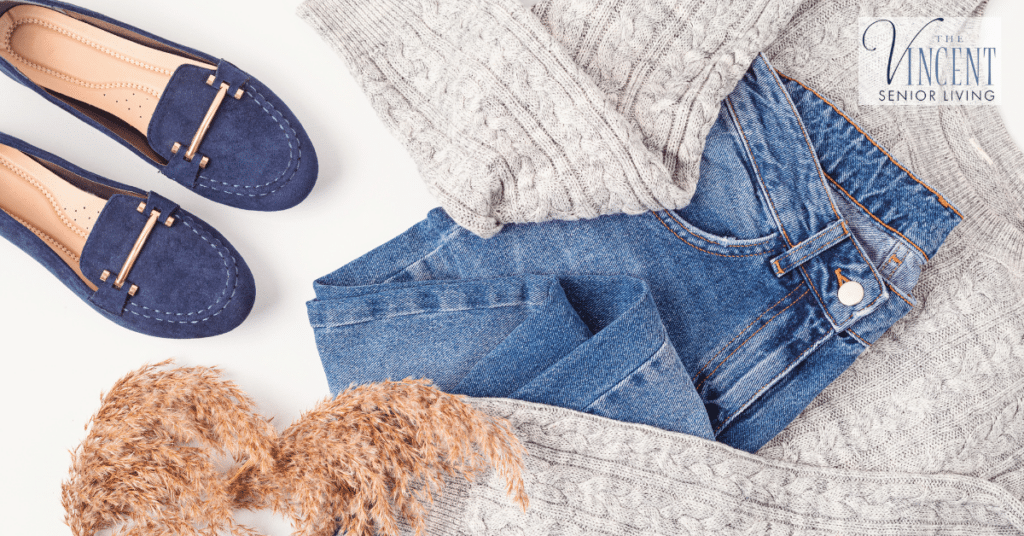
What your loved one wears matters more than you might think. The right pieces can remove half the difficulty. Look for:
Found something that works well and feels good? Buy two or three of the same. That one move alone can simplify mornings for weeks.
Skin sensitivity often increases with age, and even more so for those living with dementia. Cotton tends to be a safe bet – it’s light, soft, and lets the skin breathe. Stay away from anything rough, stiff, or scratchy. When caring for someone with dementia, tips like choosing the right fabric may seem minor, but they quietly improve daily comfort.
A tidy, pared-down wardrobe does more than you’d expect. Arrange items neatly in drawers or on open shelves where they’re easy to spot. Labels or colour-coded sections can help your loved one find what they need without asking. Keep their go-to favourites front and centre – always within easy reach. And here’s one of the most effective tips for dementia dressing: clear out what they don’t wear. A packed closet creates confusion where there doesn’t need to be any.
Place each clothing item in the order it needs to go on, or hand things over one piece at a time. Some families snap photos of full outfits and pin them up as a quick visual reference. These are genuinely helpful tips for people with dementia – they take the guesswork out of the process without removing choice. A short, friendly suggestion like, “Let’s start with your shirt,” keeps things moving gently.
Choosing what to wear still gives a person a sense of control. That matters. But offering ten choices at once? That’s a recipe for frustration. Lay out one or two complete outfits and let your loved one decide between them. Or, pick something yourself and offer warm encouragement as they dress. It’s one of those tips for dementia care that strikes the right balance – freedom with a little structure underneath.
Before anything else, check the room. Is it warm enough? Is the lighting good? Would your loved one feel more at ease with the curtains drawn or the door closed? Ask if they’d like to visit the bathroom first. These small details shape the whole experience, and they’re among the most overlooked tips for dementia morning routines.
Same time, same order, same rhythm. If your loved one has always gotten dressed right after breakfast, keep it that way. Routines help orient and soothe those with memory loss. Act like an anchor for those dealing with memory loss – they create a sense of familiarity that words alone can’t replace. Sticking to a schedule is one of the most reliable tips for helping someone with dementia feel steady and secure throughout the day.
Give the moment room to breathe. When you rush through dressing, tension builds fast. A slow, patient pace makes the whole process more comfortable for everyone. Of all the tips for dementia care out there, patience might be the simplest – and the one that carries the most weight.
If the socks don’t match, let it go. If the shirt is inside out but your loved one feels proud of getting dressed, that pride is worth more than a perfect outfit. The only time to gently step in is when their choice could affect their wellbeing – like wearing something too thin on a cold day or too heavy in summer heat. Otherwise, respect the choice. That independence is worth protecting.
Dressing may seem like a small part of the day, but for families living with dementia, it carries real significance. The right tips for dementia dressing – paired with consistent routines and a calm setting – can lift the quality of each morning and help your loved one hold onto their sense of self.
When daily routines begin to feel like too much to manage alone, extra support can make all the difference. Memory care communities like The Vincent Senior Living Community in Lafayette, Louisiana, are built to ease the weight of those daily moments while wrapping residents in compassionate, dignity-centred care.
Our trained care partners help with dressing in gentle, encouraging ways that support independence and help residents feel at home. Whether you’re just beginning to look into memory care or you’ve been thinking about it for a while, schedule a personal tour to see firsthand how The Vincent brings together thoughtful memory care and a true sense of home.
Dementia is a syndrome that affects memory, cognition, behavior, and the ability to manage everyday activities, and it has become one of the most pressing health challenges of our time....
Read more
Winter brings holiday joy, warm gatherings, and peaceful snowy evenings. But for people with dementia and their families, colder months can bring unique challenges. Temperature drops, shorter days, and less...
Read more
Living with a loved one who has dementia brings unique moments. Some days flow smoothly. Others test your patience when anger surfaces unexpectedly. In senior memory care communities, care partners...
Read more
Dementia is a syndrome that affects memory, cognition, behavior, and the ability to manage everyday activities, and it has become one of the most pressing health challenges of our time....
Read more
Winter brings holiday joy, warm gatherings, and peaceful snowy evenings. But for people with dementia and their families, colder months can bring unique challenges. Temperature drops, shorter days, and less...
Read more
Living with a loved one who has dementia brings unique moments. Some days flow smoothly. Others test your patience when anger surfaces unexpectedly. In senior memory care communities, care partners...
Read more